


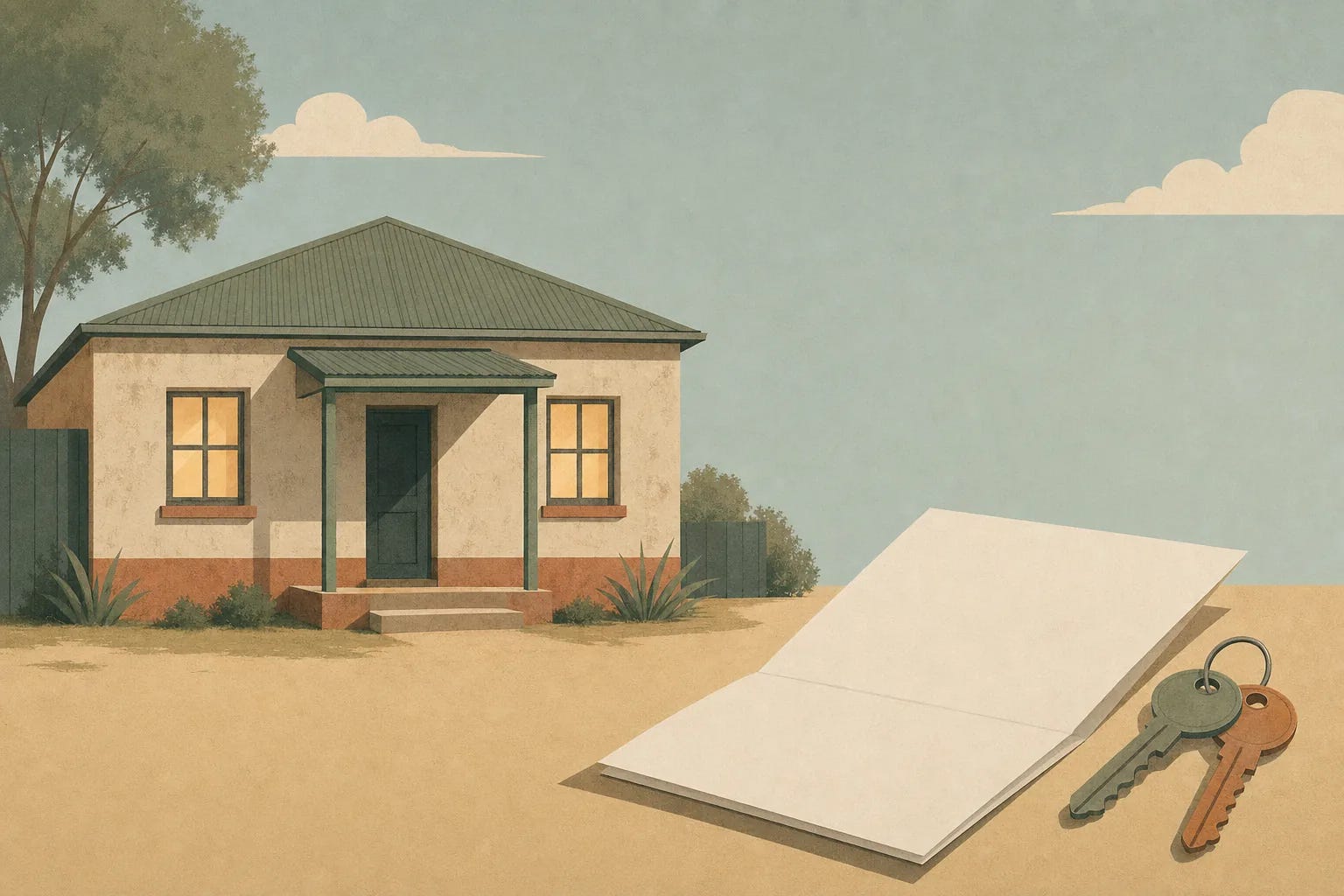
You can sell a house in Texas with a tenant living in it, and you do not need their permission to do it. What you cannot do is sell the tenant’s rights along with the building. The lease goes with the house.
That single fact decides everything else: who your buyer is, what the property is worth, and how long the sale takes. Here is how it actually works.
The lease survives the sale
When the property changes hands, the buyer steps into your shoes as landlord. The lease does not terminate at closing, the tenant does not have to move, and the new owner inherits the agreement exactly as written, including the rent, the term and whatever concessions you made two years ago and forgot about.
So a buyer is not just buying a house. They are buying whatever deal you signed. A tenant with nine months left at 1,100 a month in a market that now rents at 1,600 is a nine-month discount the buyer will price in, and they will be right to.
This is also why the lease itself becomes the most important document in the sale, more than the survey and sometimes more than the inspection. Have it ready. If it is oral, or if it ran out and the tenant stayed on, say so plainly at the start rather than letting a buyer discover it.
The security deposit follows the building, and this is where sellers get caught
Texas Property Code Section 92.105 is specific. The new owner “is liable for the return of security deposits according to this subchapter from the date title to the premises is acquired.” The new owner also has to deliver the tenant a signed statement acknowledging they have acquired the property, that they are responsible for the deposit, and stating the exact dollar amount.
Read the other half too, because it is the half that bites. The former owner “is liable for a security deposit received while the person was the owner until the new owner has received the deposit or has assumed the liability for the deposit.”
In plain terms: you do not get to keep the deposit and walk away. Either it transfers at closing or you stay on the hook for it. In practice it is handled as a credit to the buyer on the settlement statement, which means it comes out of your proceeds like any other debit. Sellers who have already spent a deposit from three years ago find this out at the worst moment.
Three days, or thirty
If a sale ends with the tenant leaving, the notice rules matter and they are not the same in every situation.
For an ordinary eviction, Section 24.005 requires at least three days’ written notice to vacate before a landlord can file a forcible detainer suit, unless the lease says otherwise.
But where a property is bought at a foreclosure sale and the tenant is paying rent on time with no other default, the purchaser must give at least 30 days’ written notice to vacate if they choose not to continue the lease. A paying tenant in a foreclosed house is not a three-day problem.
Neither of those is a self-help remedy. Texas has no lawful route to changing the locks, cutting utilities or removing belongings to get a tenant out, and trying it converts a manageable sale into a lawsuit against you.
Who actually buys a tenant-occupied house
This is the part that changes the strategy.
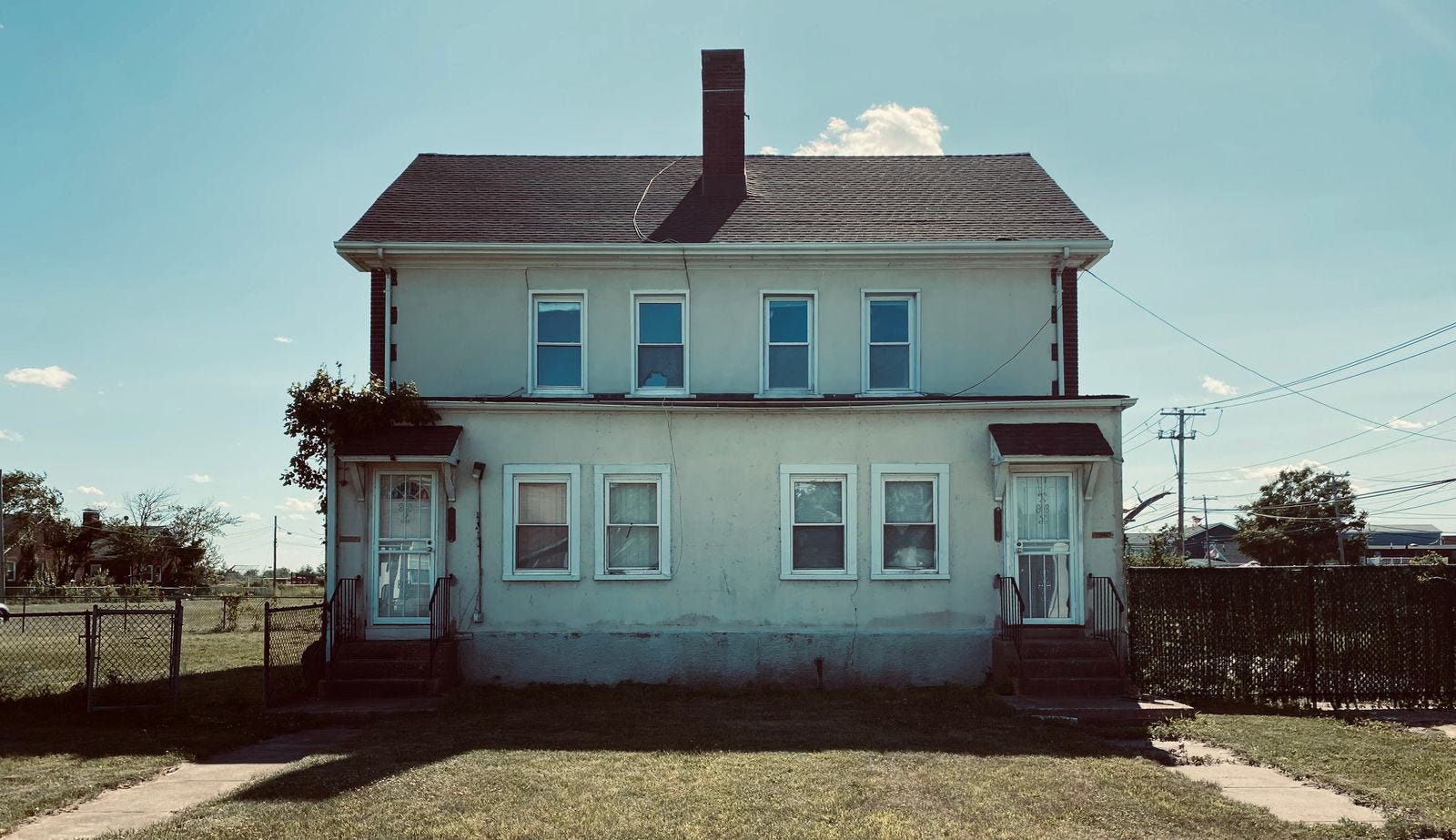
Owner-occupant buyers mostly cannot buy it. They need to move in, the tenant has a right to stay, and their lender usually needs an appraisal that requires interior access you may not be able to guarantee. Most of them walk.
Investors can buy it and often prefer to, because a paying tenant is income from day one and saves them a turnover. A tenant on a decent rent with a clean payment history is genuinely an asset here, not a liability.
Which means your buyer pool shrinks and changes shape at the same time. Listing tenant-occupied on the MLS and hoping for retail is usually the slow road. Selling to someone who wants the lease is usually the fast one.
Showings are the practical problem
Your right to enter is whatever the lease says it is. Texas law does not hand a landlord a general right of access for showings, and if the lease is silent you are negotiating rather than instructing.
A tenant who feels ambushed can make a property effectively unshowable without doing anything unlawful: not answering, not tidying, being present and unhappy at every appointment. It is worth more to have them cooperative than to be technically correct.
Telling them early tends to work better than telling them late. A tenant who learns about the sale from a stranger with a lockbox becomes an obstacle. One who is told what is happening, and that their lease is protected, usually is not.
What raises the price and what lowers it
Raises it: a written lease, rent at or near market, a documented payment history, a deposit that is actually being held, and a tenant who is happy to stay.
Lowers it: an oral agreement, a rent well under market, a long remaining term, arrears, no paperwork, or a tenant everyone knows will have to be evicted after closing. That last one gets priced as the cost of an eviction plus the vacancy, and the buyer will assume the worst case.
Most of that is fixable before you sell, and cheaply. Finding the lease, reconciling the deposit and getting a rent ledger together is an afternoon of work that removes the buyer’s main excuse for discounting.
What to do before you list or take an offer
Find the lease and read it, specifically the term, the renewal language and the access clause.
Reconcile the deposit. Know the exact number, because the buyer will need it in writing under Section 92.105 anyway.
Pull a rent ledger. Twelve months of on-time payments is worth real money to an investor buyer.
Tell the tenant before a sign goes up, and tell them their lease continues. You need them more than they need you during a showing.
Then decide which sale you are actually running. If the property is in south Texas, how a San Antonio sale works with a tenant still in place is a different process from listing it, and the difference is mostly about whether your buyer wants the tenant gone or wants them to stay.
If you want to know who is on the other end of that, who we are and what we buy covers it.
This describes what the Texas Property Code requires and how tenant-occupied sales normally run. It is not legal advice, your lease governs much of this, and a Texas real estate attorney should answer anything that turns on your own documents. House Buyers Texas is a real estate company, not a law firm.
Sources: Texas Property Code Sections 92.105 and 24.005.